
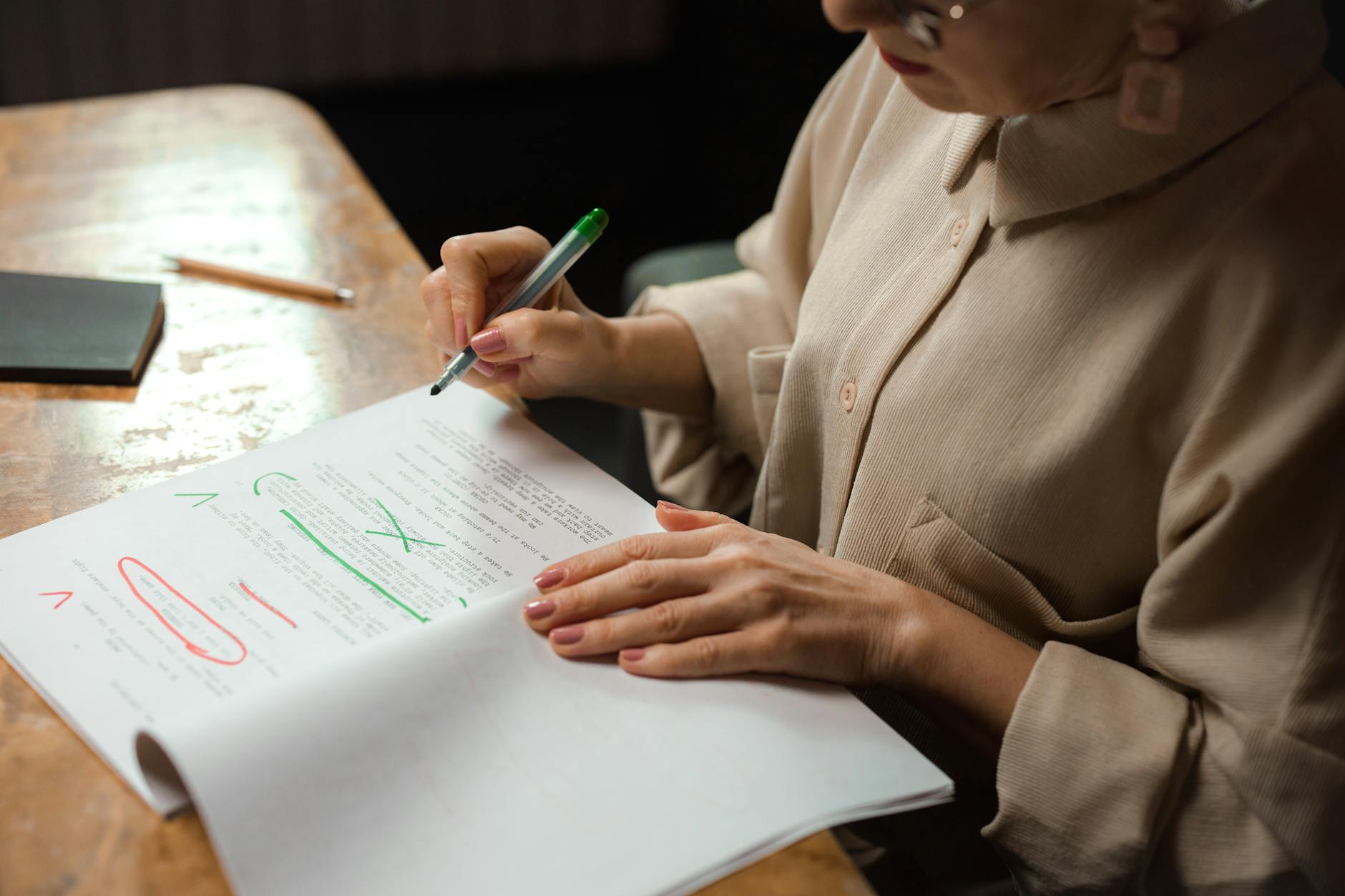
If you’ve ever typed “What is editing?” into Google, you’re not alone.
Writers hear it everywhere: “You need to get your book edited.”
But what does that really mean? Is it about fixing typos? Rewriting sentences? Rearranging chapters? Cutting entire subplots?
(The short answer: yes, sometimes all of the above.)
As a professional editor and writing coach, I can confidently say: editing is both art and science. It’s not just about correcting grammar—it’s about refining the soul of your work.
So, let’s break it down once and for all. Whether you’re a novelist, a memoirist, a student, or a business author, this guide will help you truly understand what editing means, how it works, and why it matters.
The Simple Definition of Editing
Editing is the process of reviewing, revising, and improving written content to enhance its clarity, coherence, style, structure, and correctness. In other words, editing makes your writing stronger, sharper, and more effective.
But depending on the stage your manuscript is in—and your publishing goals—editing can mean very different things. That’s why we have different types of editing.
The 4 Major Types of Editing (Explained Simply)
1. Developmental Editing (Big Picture Editing) – My specialisation
This is where we look at the core structure of your book.
- Is the plot working?
- Are the characters believable?
- Is the pacing effective?
- Is your argument coherent (for non-fiction)?
This is the most intensive type of editing—it reshapes the foundation of your book.
It is best for:
- Novels (fiction)
- Memoirs
- Non-fiction books
- Business books
Learn more: What is Developmental Editing?
2. Line Editing (Stylistic Editing)
Here, we focus on how the story is told.
- Sentence flow
- Word choice
- Tone and voice
- Emotional resonance
- Dialogue polish
This makes your writing sound better, smoother, and more powerful.
It is best for:
- Authors polishing a strong draft
- Writers wanting a professional, publish-ready manuscript
Copyediting (Technical Accuracy)
Now we zoom into the details:
- Grammar
- Punctuation
- Spelling
- Sentence structure
- Consistency (names, dates, tenses)
This is often what people imagine when they hear “editing,” but it’s only part of the full process.
It is best for:
- All written content before final proofing whether it’s a book or not
- Articles, websites, academic work, business reports
4. Proofreading (The Final Polish)
The last line of defence before publication.
- Tiny typos
- Missing words
- Formatting issues
- Layout consistency
Proofreading happens after copyediting—right before your book goes to print or upload.
It is best for:
- Final files before publication
- Print-ready proofs of fiction and non-fiction books
- Ebook guides
Now, Why Is Editing So Important?
Even the most brilliant idea can get lost in poor execution. Editing:
- Makes your message clear
- Engages your readers fully
- Builds your credibility
- Prevents embarrassing mistakes
- Enhances emotional impact
Think of editing as the bridge between a good idea and a great book.
Who Needs Editing?
- First-time writers
- Experienced authors
- Memoirists telling personal stories
- Fiction stories
- Autobiographies
- Educational books
- Self-help books
- Businesses publishing thought-leadership books
- Academics producing research papers
Even professional editors hire editors for their own books (yes, I do too).
What Editing Is NOT
Let’s clear up some common misconceptions:
| Misconception | Reality |
|---|---|
| Editors rewrite your entire book | Editors improve your work, not replace your voice |
| AI tools (like Grammarly) are enough | They can be helpful for novices, but no substitute for human judgement and the experience of a professional editor |
| Editing = correcting typos only | Editing is more about structure, pacing, character depth, and flow, tension, pacing, and a hundred other things. So no, not just typos! |
The Editing Process (How It Actually Works)
- Manuscript submission
- Initial assessment by editor
- Agreement on editing scope and timeline
- First round of edits (with comments and suggestions)
- Author revises (if needed)
- Second/third round (polish phase)
- Final proofreading before publication
Why Professional Editing Is Worth Investing In
A professional editor:
- Brings objectivity (you are too close to your own work)
- Sees weaknesses you may overlook or not even know about
- Knows the publishing market standards
- Helps you avoid rejection (if submitting traditionally)
- Elevates your book’s quality for readers and reviewers
Editing is not an expense; it’s an investment in your reputation as an author.
Editing for Self-Publishing vs Traditional Publishing
| Self-Publishing | Traditional Publishing |
|---|---|
| You hire your own editor | Publisher assigns an editor |
| You control the process | Publisher controls edits |
| Cost is upfront (your responsibility) | Publisher covers editing |
| You can choose your editor | No choice in assigned editor |
How to Find a Good Editor
- Look for experience in your genre
- Check their portfolio or testimonials
- Ask for a sample edit (many editors offer this)
- Ensure you feel comfortable with their style and communication
See my own Editing Services at Verbatik Media for examples of how collaborative, respectful, and strategic editing should work.
In Short: Editing Is Collaboration
Editing is not about “fixing” your writing—it’s about developing and making your story a thousand times better—or, as I like to say, editing brings your story/book as close to perfect as possible—to its best possible version of your book, while preserving your unique voice.
So if you’re writing your book—or planning to—remember: editing isn’t something to fear. An editor is your partner in making your work the absolute best it can be.
And if you’d like expert, hands-on guidance with your own manuscript, I invite you to check out my editing services. Whether you need developmental feedback, line editing, or just honest professional advice on where your manuscript stands — I’d love to help!

Leave a Reply