
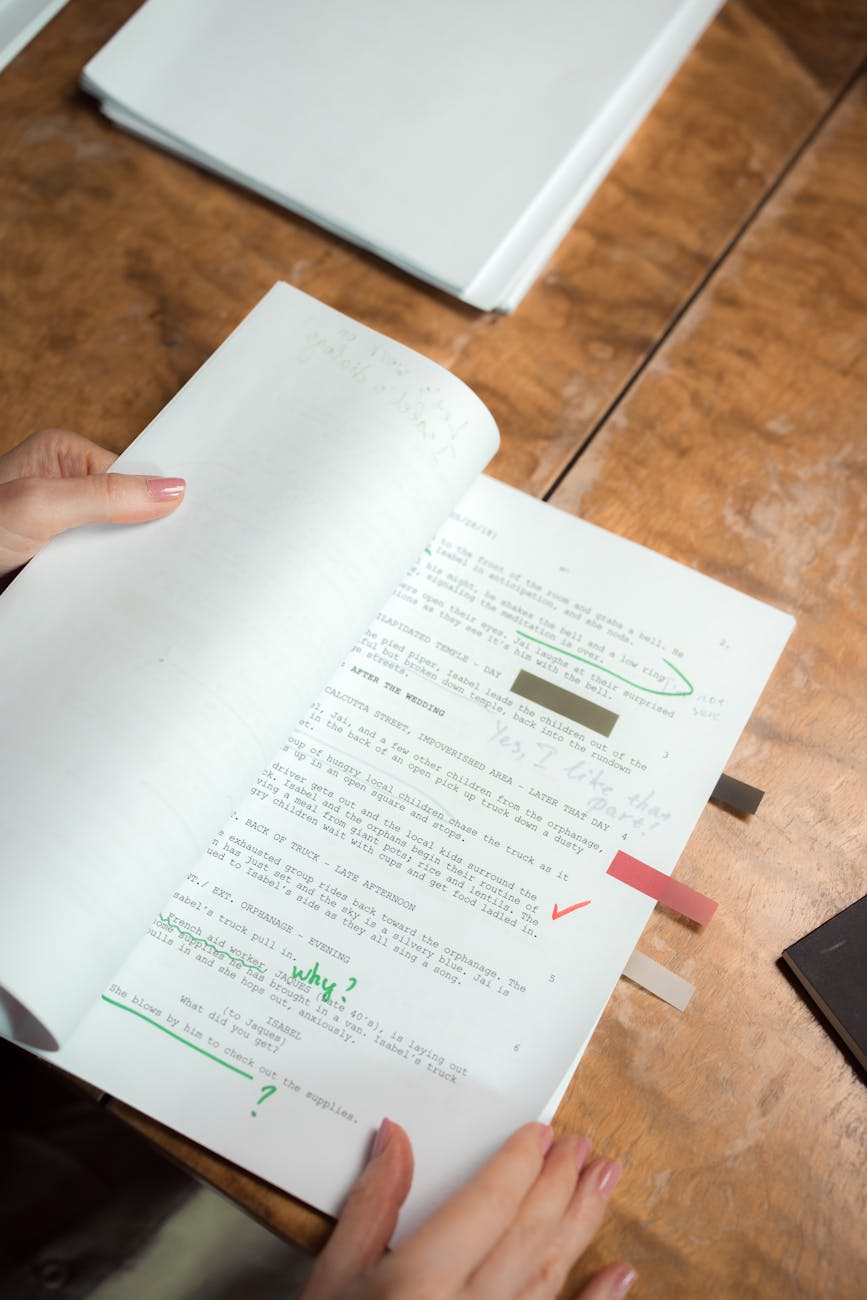
“Editing is not just about fixing typos—it’s about transforming your manuscript into the story it was always meant to be.”
If you’re a writer stuck in the confusing labyrinthine (and quite scary) world of editing, chances are you’ve come across a thousand different opinions on what it means to “edit your novel.” And while feedback and advice are helpful, they often come bundled with persistent myths that can actually sabotage your writing or story or, worse, both.
As a developmental editor with over a decade of experience working with Indian and international authors, I’ve seen these myths hold back even the most promising manuscripts. It’s time to bust them—and replace them with practical truths that will help you create a stronger, cleaner, and more powerful book.
MYTH 1: “Editing is just proofreading.”
Proofreading is the final polish, but editing is much more than correcting commas or fixing typos. In fact, that’s the last thing you should be worried about.
What to do instead:
Understand the layers of editing:
- Developmental Editing = Plot, structure, pacing, character arcs
- Line Editing = Prose style, flow, tone
- Copyediting = Grammar, punctuation, consistency
- Proofreading = Typos and layout issues in the final version
Tip: If you’re early in the writing process, start with developmental editing. That’s where the real transformation happens.
MYTH 2: “I should only hire an editor after my manuscript is perfect.”
Many writers think editors are only for the final step—but early editorial feedback can save you months of rewrites and protect your story’s integrity.
What to do instead:
Hire a developmental editor once you have a complete first or second draft. You’ll receive detailed feedback on structure, characters, and theme—things that are much harder to fix later.
Tip: Treat editing as a collaborative creative process, not just a fix-it job.
MYTH 3: “Beta readers are enough—I don’t need a professional editor.”
Beta readers are great for subjective, reader-level feedback, but they aren’t trained to spot plot holes, inconsistencies, or weak narrative arcs.
What to do instead:
Use beta readers for reader impressions, but rely on a professional editor for technical and narrative precision. A trained editor will not only point out what isn’t working—they’ll also help you fix it.
Beta readers can tell you that your dish doesn’t taste right. An editor is the chef who helps you rework the recipe and present it in the best possible way.
MYTH 4: “Editing will take away my voice.”
A good editor will never rewrite your story in their voice. In fact, preserving and amplifying your unique style is part of their job.
What to do instead:
Communicate your style preferences with your editor. Ask for sample edits before committing to a full edit to ensure their approach aligns with your vision.
Fact: The best editing feels invisible—it helps your voice shine more clearly, not less.
MYTH 5: “Self-editing is enough if I use tools like Grammarly.”
While AI tools like Grammarly and ProWritingAid are helpful, they’re no replacement for human nuance. They won’t catch issues that only a human editor with excellent instincts can such as inconsistencies in story or tone, character logic, or thematic repetition.
What to do instead:
Use tools for first-round clean-ups, but don’t skip a professional edit. Especially if you’re self-publishing, your book is your brand—and sloppy editing can cost you readers.
Tip: Use Grammarly + Hemingway App for basic corrections, then send your draft to an editor for real, deeper work.
MYTH 6: “Hiring an editor is too expensive.”
Not hiring an editor can be more costly in the long run—with poor reviews, low sales, or a failed launch.
What to do instead:
View editing as an investment, not a cost. Many editors (like myself) offer flexible packages, sample edits, and consultations to help you decide what’s best for your budget and your book.
Tip: At least get a manuscript assessment or editorial review—a cost-effective way to get expert feedback if you are unable to commit to a full edit.
MYTH 7: “I can skip editing because I’ll get it edited by the publisher.”
In the Indian market especially, many publishers expect a professionally edited manuscript. If it’s not clean, they may reject it outright.
What to do instead:
Treat your manuscript as submission-ready before you query or submit to hybrid/traditional publishers. A professionally edited manuscript increases your chance of acceptance dramatically.
Reality: Even traditional publishers want low-risk, high-quality manuscripts.
Editing is the Book’s Second Birth
Editing is not an afterthought. It is where your book is refined, reshaped, and reborn. As an editor who’s worked with Indian authors from debut indie writers to award-winners, I can assure you: you don’t need a perfect manuscript—you need a committed mindset and the right editorial partner.
Want your novel to be stronger, sharper, and ready for readers?
I offer developmental editing, line editing, and manuscript assessments tailored to Indian and international authors.
Book a free consultation and let’s talk about how we can elevate your novel: Book a Free Consultation Now

Leave a Reply