
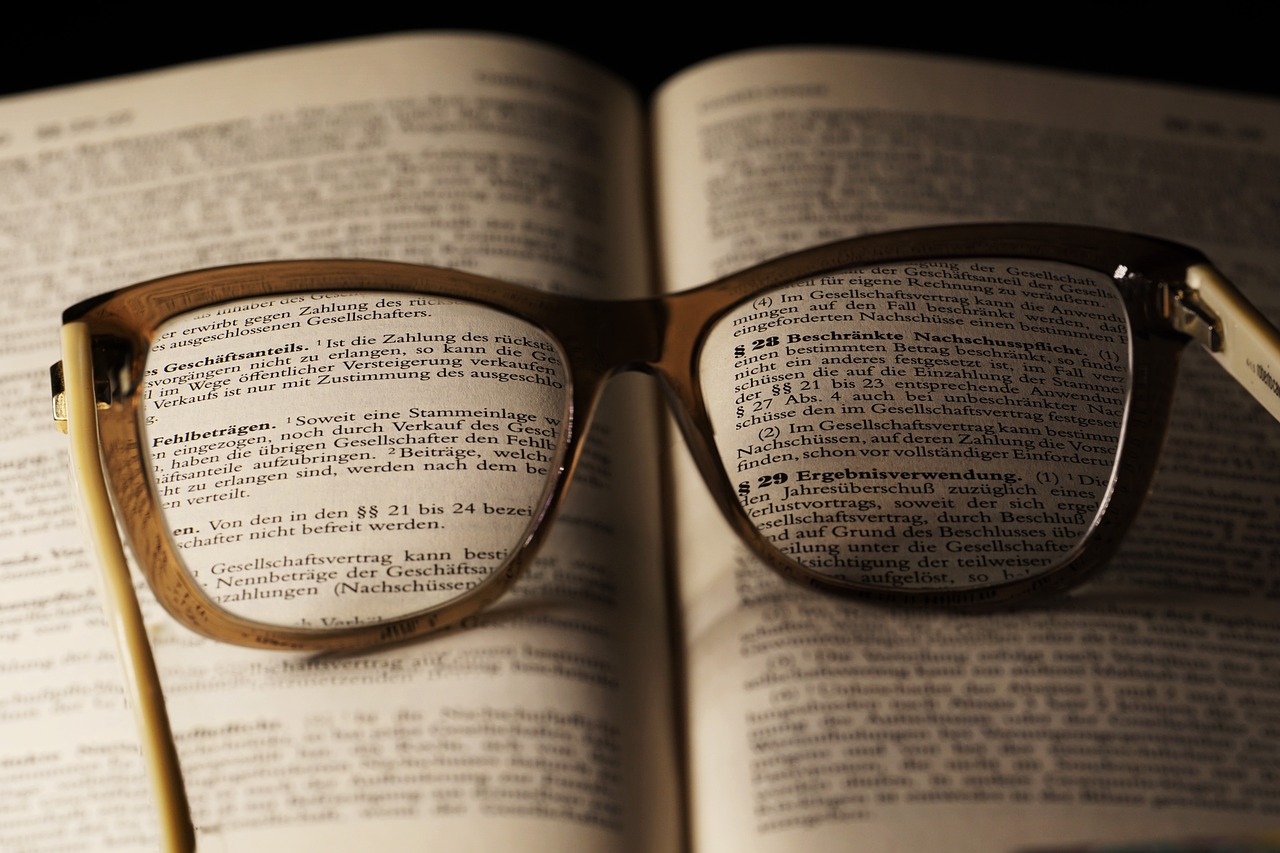
Editors and proofreaders are often confused as their roles are not clearly identified by many individuals, including writers. In short, editors focus on improving the overall content, structure, and style of a piece of writing whereas proofreaders, review the final draft of a document to correct any errors in grammar and punctuation.
While both roles are important in the writing process, they serve different purposes.
Difference between Book Editor and Proofreader
Book editors and proofreaders are both important people in the publishing industry, but they have different responsibilities. Where a book editor comes into play at the start of putting together the manuscript and the beginning of the editing process, the proofreader comes in at the end of the completion of the editing process of a manuscript.
Book Editor
A book editor is responsible for reviewing a manuscript and making suggestions for improvements in areas such as plot, character development, and writing style. They may also help with formatting and organisation. While Developmental Editors typically perform five main tasks, which may include assessing the manuscript’s overall structure and coherence, providing feedback on character development and plot, evaluating the writing style and tone, ensuring consistency and accuracy, and offering suggestions for improvement for helping authors refine their work and produce a polished final product, Copy editors typically perform two tasks: checking for errors in grammar, spelling, punctuation, and style; and ensuring that the text is clear, concise, and understandable for the intended audience.
Proofreader
A proofreader, on the other hand, is responsible for reviewing a finalised manuscript for errors in grammar, spelling, and punctuation. They ensure that the manuscript is free of mistakes before it goes to print. While both roles involve reviewing written work, book editors focus on the big picture while proofreaders focus on the details.Where an editor works on the developmental and/or structural and elemental aspects of your novel, a proofreader takes care of the grammatical errors, spelling mistakes and small embarrassing mistakes in the overall text of your manuscript.
So, who do you need?
You need a book editor when you are finished writing your manuscript and want to have a professional improve the quality of your writing and ensure that your message is communicated clearly. An editor can help you refine your ideas, improve the structure of your book, and eliminate errors in grammar, spelling, and punctuation. They can also provide valuable feedback on character development, plot, and pacing. Ultimately, a book editor can help ensure that your book is polished and professional, making it more likely to be well-received by readers (in the case of self-publishing) and publishers (for traditional publishing) alike.
You need a proofreader when your manuscript’s editing is finished and you want to ensure (making double sure) that your writing is free of any errors, whether they are grammatical, spelling, or punctuation mistakes. A proofreader can also help you improve the overall clarity and coherence of your writing. By having a second pair of eyes review your work, you can avoid embarrassing mistakes and present your ideas in the most effective way possible.
For a comprehensive list of editors in India, do check out this article by The Himalayan Writing Retreat: 52 Book Editors in India
If you want to get a free sample edit of your novel, email the first chapter of your manuscript to heenapardeshi@verbatikmedia.com or fill out this form to know the details of my editing services.


Leave a Reply